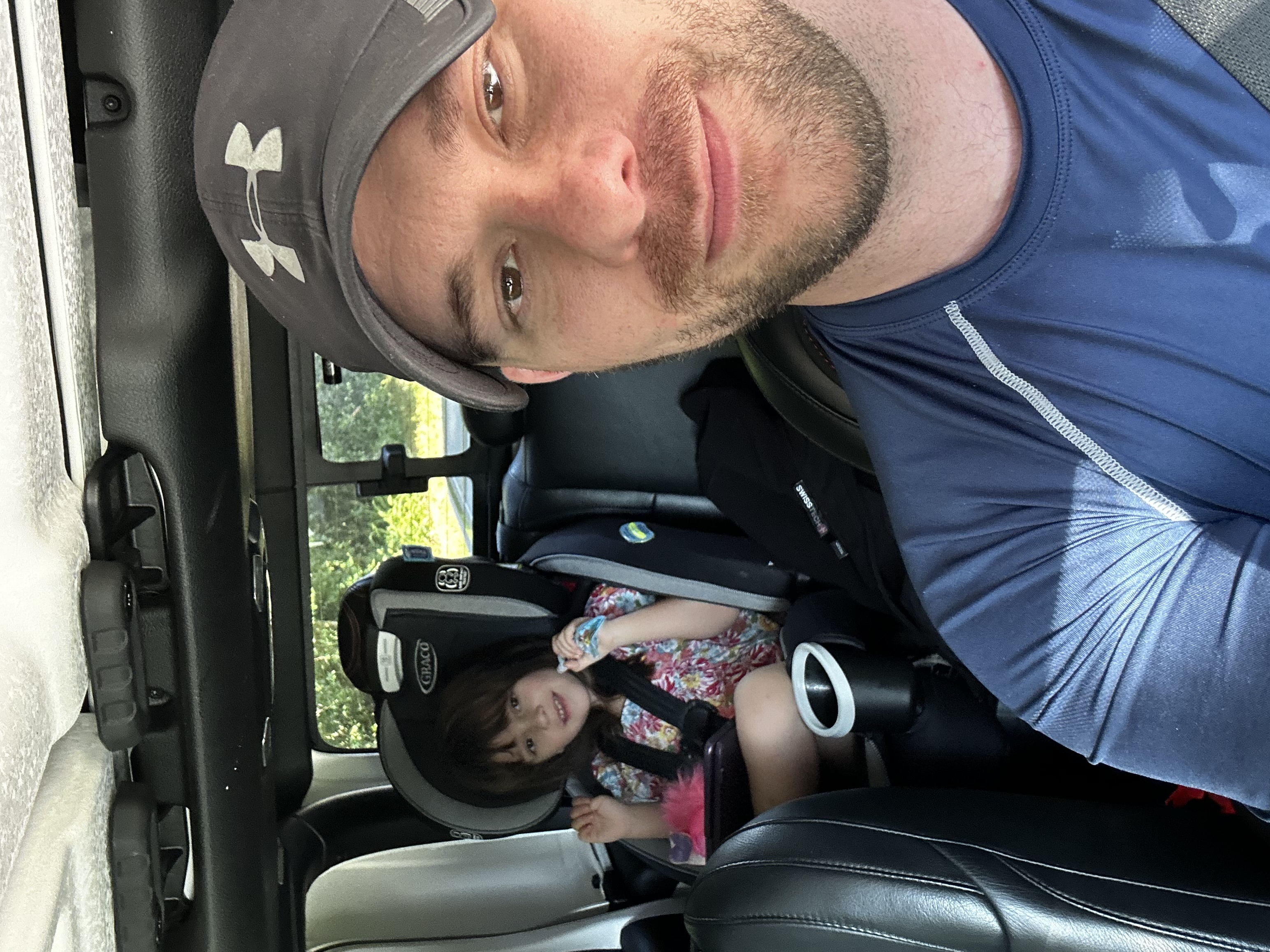
VS.

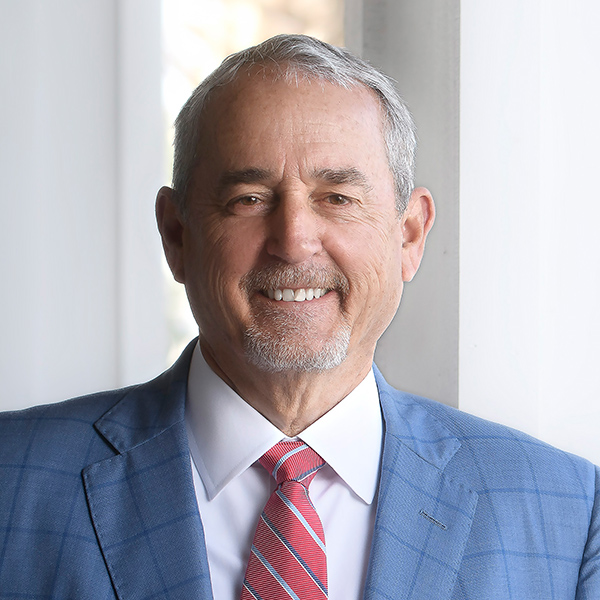
On April 24, 2024, four-year-old E.L. was treated for a fractured elbow sustained in Charlotte, North Carolina while in her mother's care.
Two days later, upon returning to St. Augustine, E.L. told her father: "Mommy pushed me."
That same day, the father went to the law offices of Shorstein and Lee in St. Johns County and showed attorney Sung Lee a video of his injured four-year-old daughter's disclosure and sought help filing for protection for E.L. Sung Lee was uninterested in the video and refused to help.
While the father was inside the law office, E.L.'s mother C.L. (a family law attorney) was at the doctor's office for E.L.'s follow-up appointment for the broken arm. At 2:40 PM, C.L. was made aware of the father's location and his intention to file an injunction seeking protection for the child.
Evidence shows that C.L. contemporaneously contacted Andrew Morgan—an equity partner at Canan Law. When C.L. informed Morgan "He's now trying to get an injunction against me," Morgan responded: "Go ahead and file one then."
The evidence documents Morgan instructing C.L. to abandon E.L.'s medical appointment: "Apologize to the doctor and go to the courthouse." C.L. left the appointment and filed a domestic violence injunction against the father—in direct response to learning he was seeking protection for their injured daughter. C.L. later stated: "I don't want this. I didn't want to do this to him."
By the time the father left the law office after being refused help, the injunction against him had already been granted by Judge McGillan. The father was therefore blocked from seeking protection for his daughter.
The consequences for the father: he was tracked by police, shamed in the public record, forbidden to return home, forbidden from seeing or communicating with his children, stripped of his Second Amendment rights, and treated like a criminal—all as a direct result of attempting to protect his injured daughter. "Go ahead and file one then." - Andrew Morgan
The injunction was subsequently voluntarily dismissed and no hearing was had, depriving the father of the opportunity to defend himself or clear his name.
This website presents the documented evidence of these events.
Photo of E.L. in the car after receiving treatment for her fractured elbow in Charlotte, North Carolina (left), and medical records from April 24, 2024 (right). The injury occurred while in her mother C.L.'s care out of state. The medical appointment for follow-up care was abandoned two days later on April 26, 2024.
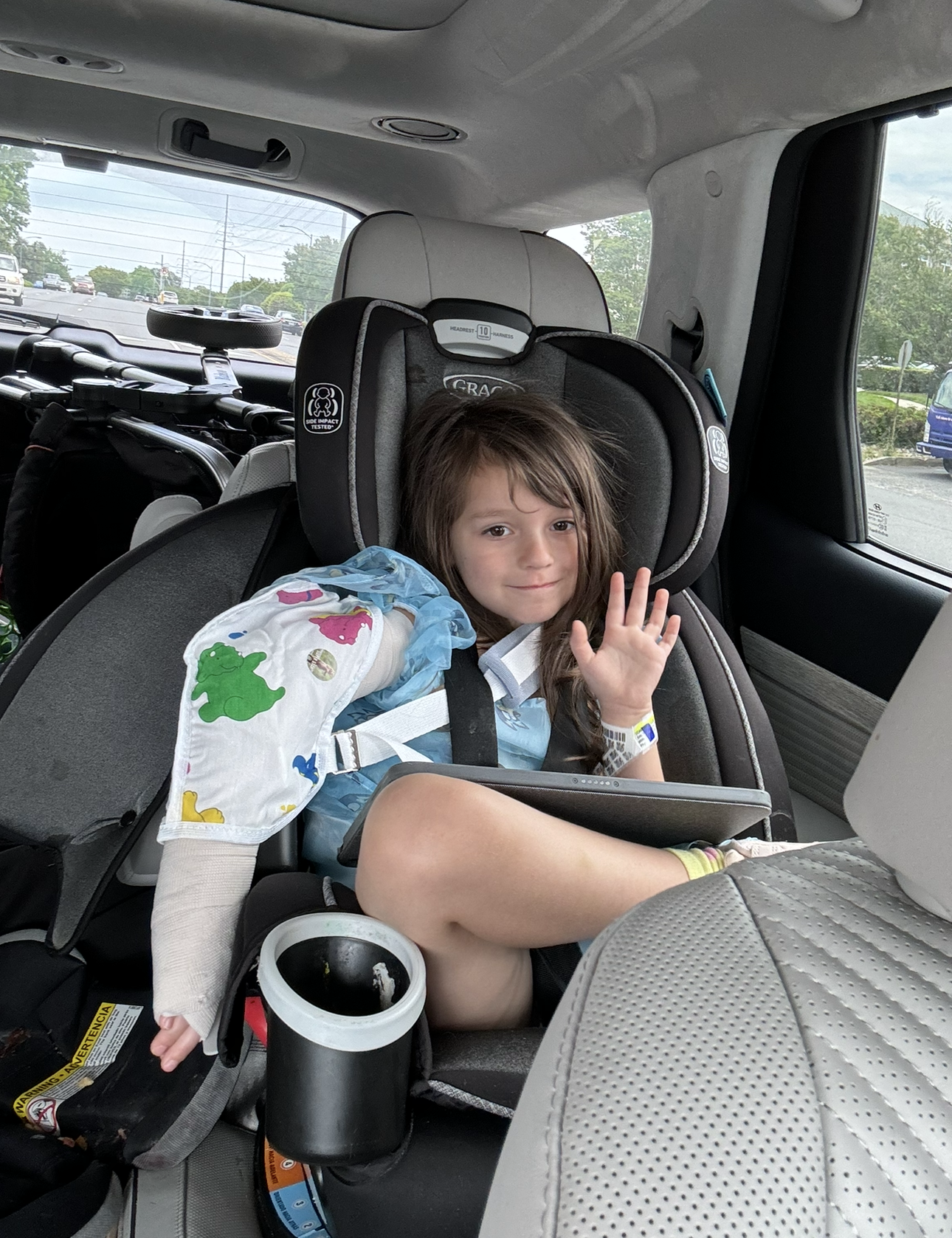

On April 24, 2024, four-year-old E.L. was treated in Charlotte, North Carolina for a closed fracture of her right elbow. The child was injured while in the care of her mother, C.L., in North Carolina. Medical records document the diagnosis: "Closed fracture of right elbow, initial encounter" with referral to pediatric orthopedic care for follow-up treatment.
After the injury, E.L. told her father: "Mommy pushed me." This disclosure prompted the father to take the child's safety concerns seriously and seek legal protection for his daughter.
On April 26, 2024—two days after the injury—the father went to the law offices of Shorstein and Lee in St. Johns County. He showed attorney Sung Lee a video of his daughter explaining how she was injured, specifically stating "mommy pushed me." Sung Lee was uninterested in the video and refused to assist the father in obtaining protection for his daughter.
Sung Lee was a long time acquainted with the other parties involved.
The child's mother, referred to here as C.L., is herself a family law attorney who practices in St. Johns County. As a seasoned family law attorney, C.L. has regular access to the courts and is intimately familiar with the domestic violence injunction process. She has appeared weekly in injunction court for years representing clients.
While the father was at the law office trying to get help for his daughter, C.L. was at the doctor's office for E.L.'s follow-up appointment for the broken arm. At 2:40 PM, C.L. was informed of her husband's whereabouts and legal intentions.
What happened next is documented in the evidence. Andrew Morgan was acting in dual capacities: both as C.L.'s personal friend AND as an equity partner at Canan Law providing legal advice. Morgan is a local family law attorney who has appeared weekly before Judge McGillan in injunction court for years representing clients.
As seasoned family law attorneys who appear before Judge McGillan weekly, both C.L. and Andrew Morgan know a critical procedural rule: the court does not issue ex parte relief when there are competing petitions for injunctions between the same parties.
The strategy was deliberate: file a competing petition against the father to ensure that when he sought protection for his injured daughter, the court would not grant immediate (ex parte) relief because competing petitions now existed. This would block the father from obtaining emergency protection for the child.
The advice Morgan gave C.L. that day—to abandon her injured daughter's medical appointment and file a preemptive domestic violence injunction—was a calculated legal strategy designed to manipulate the court's procedural rules and prevent the father from protecting his daughter.
Why would a seasoned family law attorney—who has represented clients in injunction court for years and knows the process inside and out—suddenly need emergency protection from the father on the exact same day that the father is seeking emergency protection for their four-year-old daughter with a broken arm?
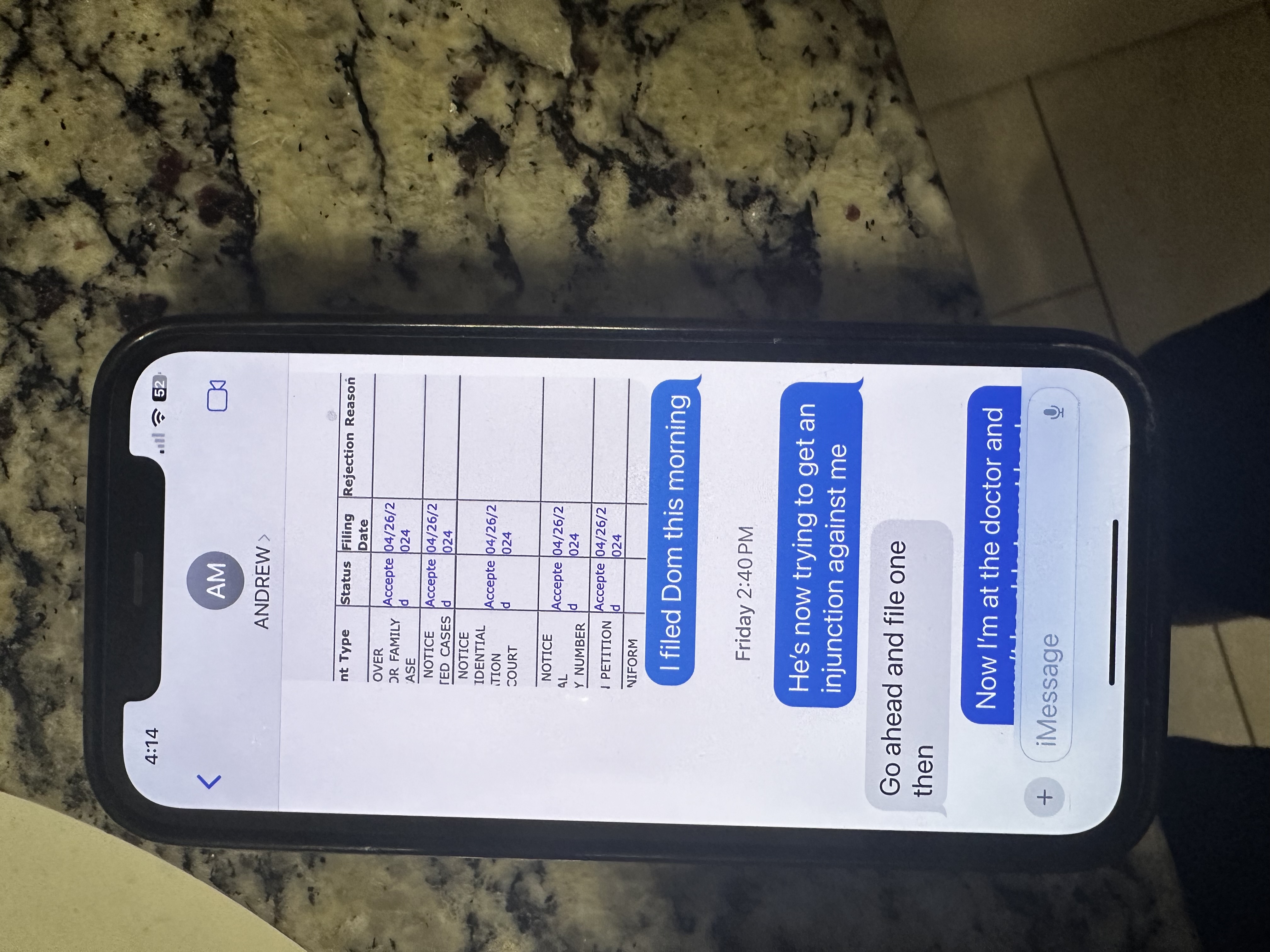
"I filed Dom this morning"
C.L., a family law attorney, files for dissolution of marriage the same morning.
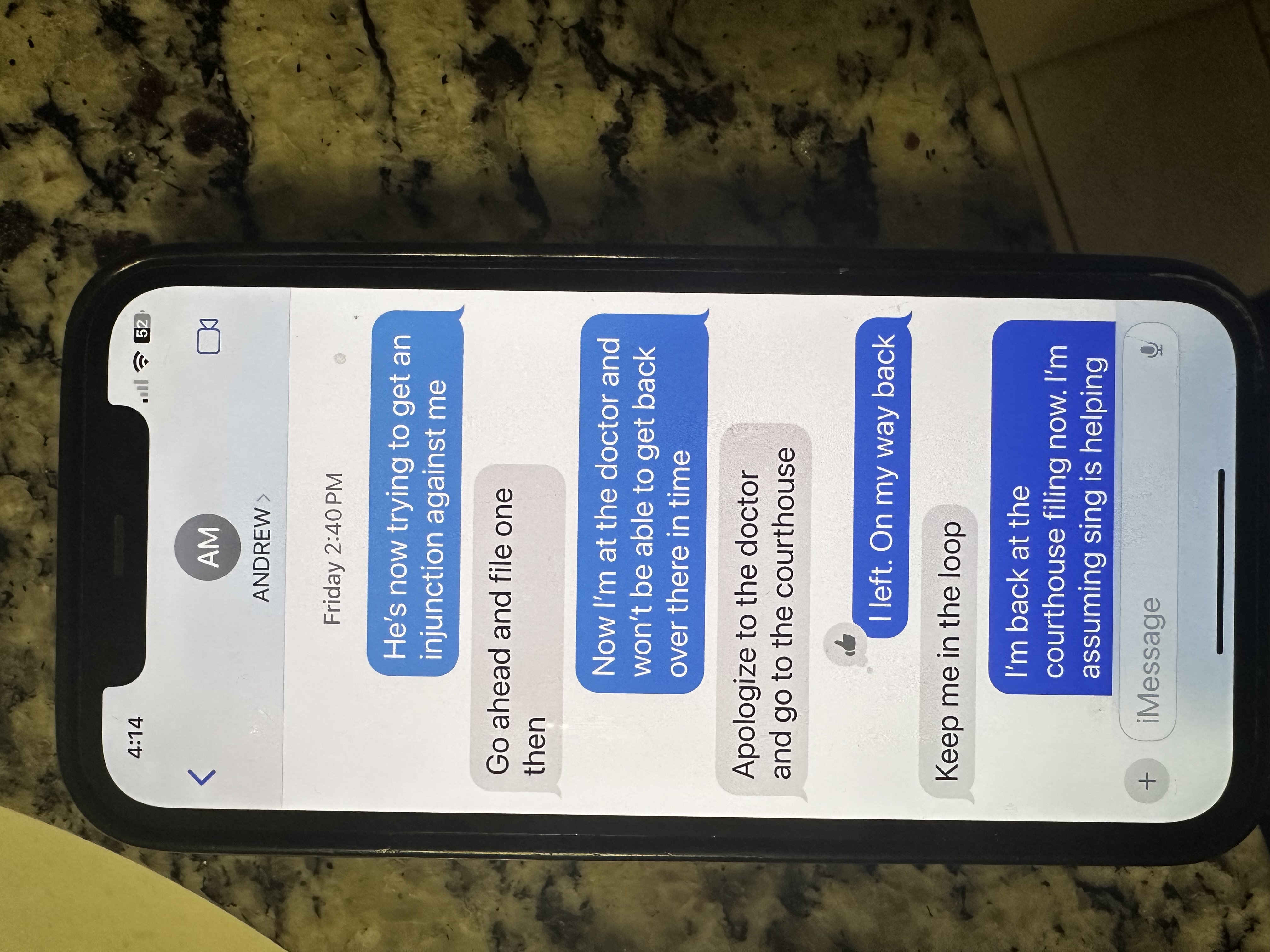
"He's now trying to get an injunction against me"
While C.L. is at E.L.'s doctor's appointment for the broken arm, C.L. is made aware of the content of the consultation with Sung Lee. The father had shown the video of his injured four-year-old daughter saying "mommy pushed me" to attorney Sung Lee, who was uninterested in the video and refused to help.
"Go ahead and file one THEN"
Andrew Morgan—acting both as C.L.'s personal friend and as equity partner at Canan Law—instructs C.L. to file a preemptive domestic violence injunction against the father. The word "THEN" indicates this filing is a direct response to the father's attempt to seek protection for the child.
The Strategy: Both Morgan and C.L., as family law attorneys appearing before Judge McGillan weekly for years, know that the court does not issue ex parte relief when there are competing petitions. By filing a competing petition against the father, they would block him from obtaining immediate emergency protection for his injured daughter. This was a calculated manipulation of court procedure to prevent a child from being protected.
"Now I'm at the doctor and won't be able to get back over there in time"
C.L. expresses concern that she cannot leave the doctor's appointment for her daughter's broken arm to reach the courthouse in time to beat the father to the filing.
"Apologize to the doctor and go to the courthouse"
Andrew Morgan explicitly directs C.L. to abandon her four-year-old daughter's medical appointment for a broken arm and rush to the courthouse instead.
"I left. On my way back"
C.L. confirms she has left the doctor's office with her injured daughter and is heading to the courthouse, as Andrew Morgan instructed.
"Keep me in the loop"
Andrew Morgan asks for updates on the filing strategy.
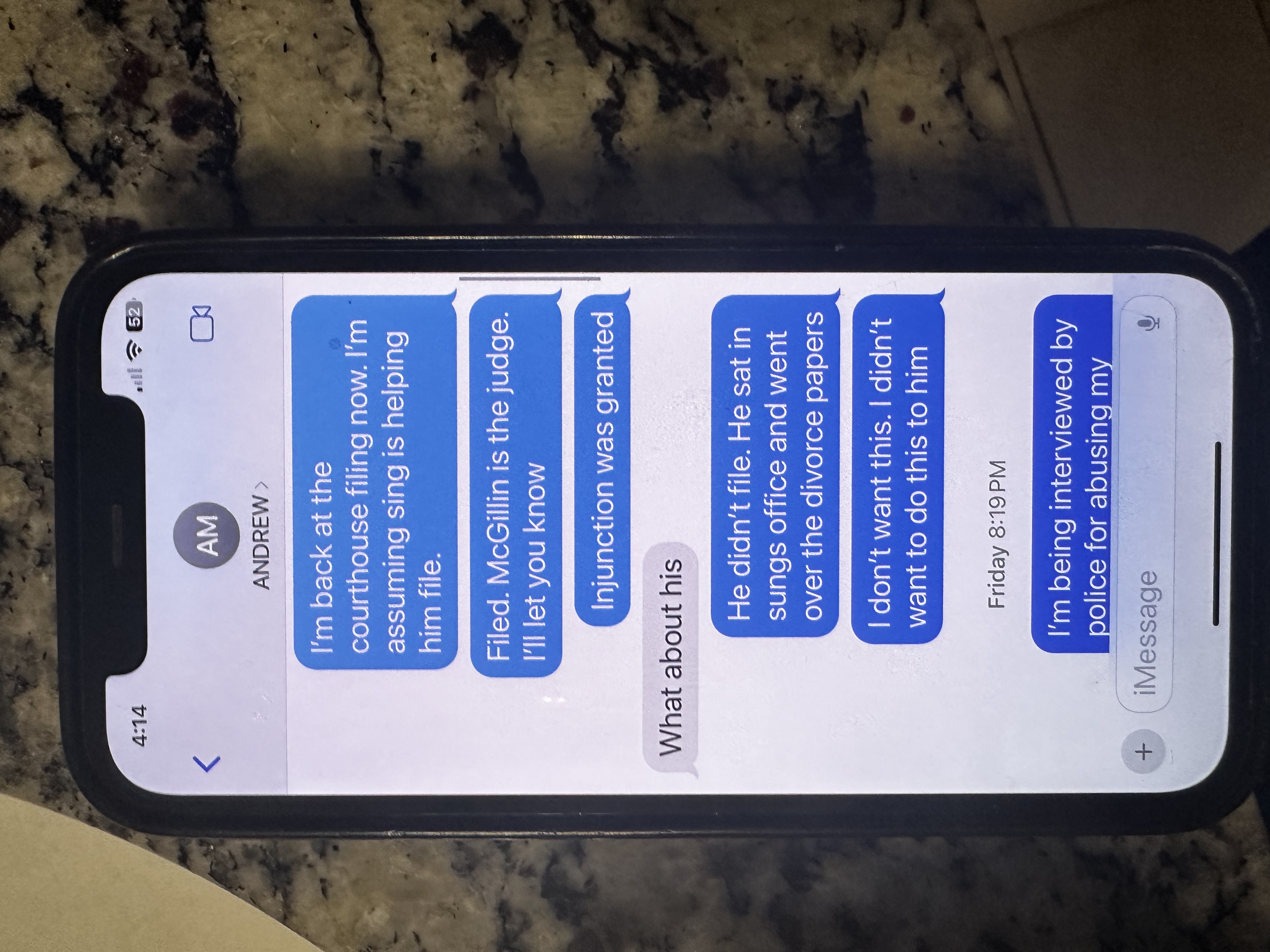
"I'm back at the courthouse filing now. I'm assuming sung is helping him file."
C.L. reports she is at the courthouse filing the domestic violence injunction against her husband. She assumes Sung Lee is helping the father file for protection of their daughter.
"Filed. McGillan is the judge. I'll let you know"
"Injunction was granted"
Judge McGillan grants the temporary domestic violence injunction. Notably, Judge McGillan has seen both C.L. (a family law attorney) and Andrew Morgan appear before him weekly in injunction court for years representing clients. Judge McGillan did not recuse himself despite this ongoing professional relationship with the petitioner and her attorney.
"He didn't file. He sat in sung's office and went over the divorce papers"
C.L. reports that the father did not file an injunction for his daughter's protection. By the time the father left the law offices of Shorstein and Lee after being refused help, the retaliatory preemptive domestic violence injunction against him had already been granted by Judge McGillan. The preemptive strategy worked perfectly.
"I don't want this. I didn't want to do this to him"
C.L. expresses that she did not want to file the injunction and expresses remorse for what she and Morgan just did. This reveals the filing was done at Andrew Morgan's direction and as part of a legal strategy, not because of any genuine fear or need for protection.
On the morning of January 13, 2026, after receiving notice that the father was going to exercise his right to bring the issue before the court, Andrew Morgan engaged in another coordinated act to obstruct the father's efforts to protect his children and his right of access to the courts.
Rather than responding through proper legal channels, Morgan contacted C.L. and advised her that Canan Law and Morgan would come after the father with "full force" if the father filed the lawsuit.
When the father asked C.L. what "full force" meant, C.L. replied that it would result in:
What does "coming after him" look like? What does "full force" mean? Does this mean using legal and political connections? Consider Morgan's legal history and his positions in the judicial branch—including his selection by the Governor to serve on the Judicial Nominating Commission for the Seventh Circuit. What resources and influence does "full force" encompass when coming from an equity partner at a prominent law firm with deep connections to the local legal and political establishment?
Additionally, C.L. stated she would file for divorce and "remove the children from the situation" if the father proceeded with the lawsuit.
This threat aligns precisely with Morgan's email response sent the same day (January 13, 2026, 4:56 PM), in which Morgan stated:
"If you elect to file a frivolous lawsuit, I will defend it vigorously and will pursue all available counterclaims, including an award of attorney's fees and costs under applicable law."
What possible counterclaims could the law firm or Morgan have against the father?
The facts show that instead of engaging in the legal process and responding to the claims through proper channels, Morgan:
This pattern mirrors the April 26, 2024 conduct—using indirect pressure and coordinated communication with C.L. rather than engaging in proper legal process.
After receiving the demand letter documenting the events of April 26, 2024, Andrew Morgan sent this email response on January 13, 2026, denying liability and threatening to pursue counterclaims and attorney's fees if a lawsuit is filed.
From: Andrew Morgan <amorgan@cananlaw.com>
Sent: Tuesday, January 13, 2026 4:56 PM
To: [Redacted]
Cc: Patrick Canan <pcanan@cananlaw.com>; Daniel Hilbert <dhilbert@cananlaw.com>
Subject: RE: Demand Letter - Settlement Request
[Recipient Name Redacted],
Your demand letters contain numerous factual and legal errors. They misstate both the governing law and the underlying events. No viable cause of action exists against me.
If you elect to file a frivolous lawsuit, I will defend it vigorously and will pursue all available counterclaims, including an award of attorney's fees and costs under applicable law.
I regret that you continue to experience difficulties in your marital relationship and employment. Those circumstances, however, do not create any legal or factual basis for claims against me, and none of my conduct gives rise to liability to you.
Andrew Morgan, Esq.
Florida Bar No 0013769
Canan Law
1030 N. Ponce de Leon Blvd.
St. Augustine, Fl. 32084
904-824-9402
The following iMessages between C.L. and Andrew Morgan document the coordinated effort to file a preemptive domestic violence injunction on April 26, 2024.
The father gave his old phone to E.L. to use to watch YouTube videos. C.L. logged into her iCloud account on the device, which synced her previous messages. The father discovered the messages about the conspiracy at a later date by accessing his own device.
Device Ownership: All devices were purchased by and registered on the father's Verizon plan, which includes metadata about all communications on the monthly bill.
Attorney-Client Privilege: The fraud-crime exception to attorney-client privilege provides that attorney-client communications in furtherance of a criminal act or fraud are not privileged.
Accuracy: The following are true and accurate depictions of the messages that appeared on the father's device.
Equity Partner, Canan Law
Andrew Morgan is an equity partner at Canan Law, a family law firm located in St. Augustine, Florida. Morgan specializes in family law, including divorce, custody, and domestic violence injunction matters.
J.D., Florida Coastal School of Law (2005)
M.B.A., Winthrop University (2002)
B.A., Eckerd College (2001)
Assistant State Attorney, Seventh Judicial Circuit (2005-2007)
Equity Partner, Canan Law (2007-present)
Florida Bar (admitted September 23, 2005)
U.S. District Court, Middle District of Florida (2009)
Selected by the Governor of Florida for the judicial nomination process
Florida Super Lawyers Rising Star - Family Law (2016-2018)
Past President, St. Johns County Bar Association
Past President, Putnam County Bar Association
Member, Florida Bar Family Law Section
Member, Florida Association of Criminal Defense Attorneys
Morgan regularly appears in St. Johns County injunction court before Judge McGillan representing clients in domestic violence matters.
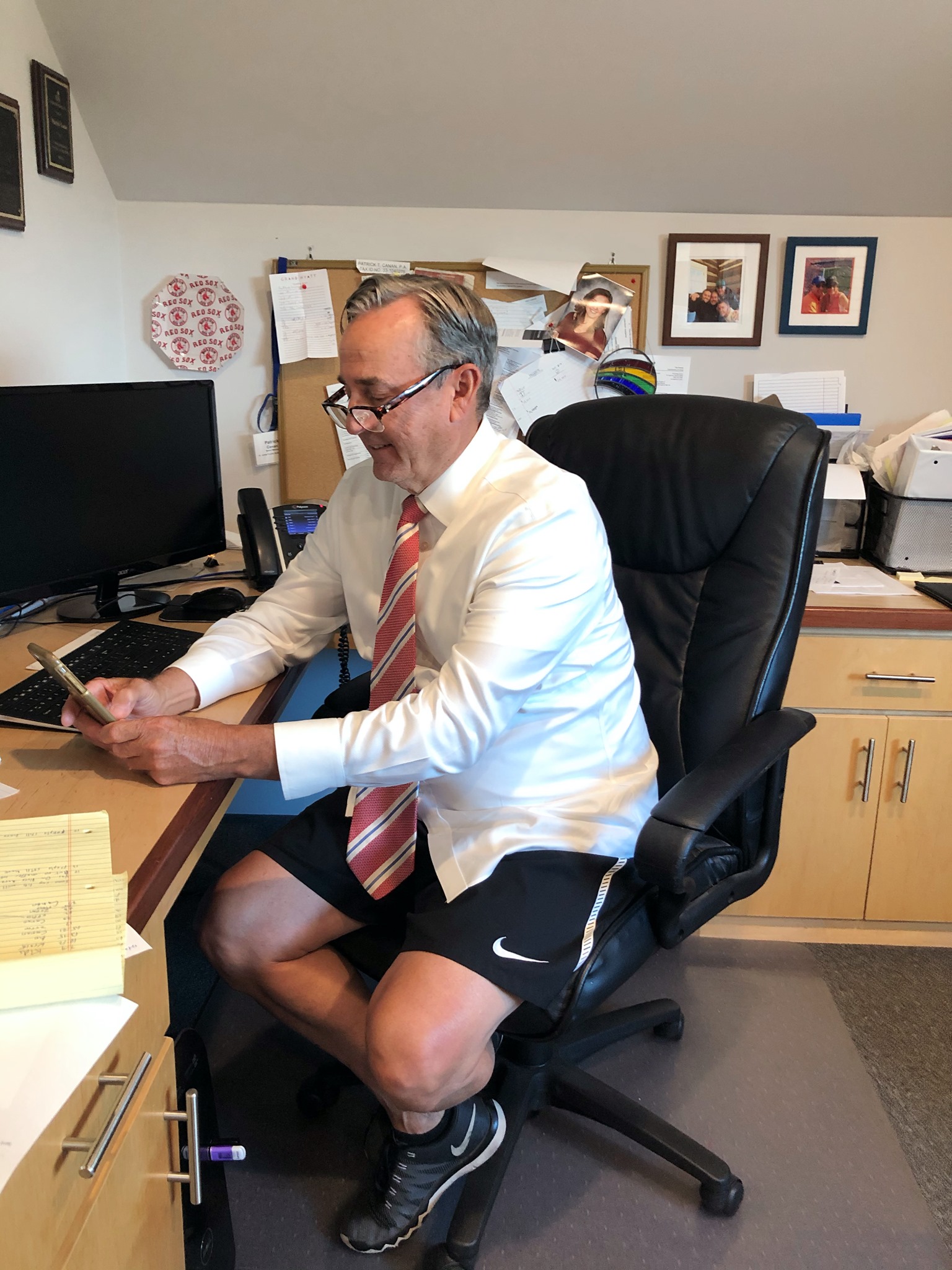
Founding Partner, Canan Law
Patrick Canan is the founding partner and managing partner of Canan Law in St. Augustine, Florida. The firm specializes in personal injury, medical malpractice, family law, and criminal defense.
J.D., University of Florida (1981)
B.A., Political Science, University of Florida
Assistant Public Defender, Alachua County (1982-1984)
Assistant Public Defender, Monroe County (1984-1990)
Assistant State Attorney, St. Johns County (1990-1992)
Chief Assistant State Attorney, St. Johns County (1992-1994)
Founding Partner, Canan Law (1994-present)
Adjunct Professor, Flagler College
Florida Bar (admitted February 16, 1983)
U.S. District Court, Middle District of Florida
U.S. District Court, Northern District of Florida
U.S. Court of Appeals, 11th Circuit
AV Preeminent Rated, Martindale-Hubbell (highest peer rating)
Best Attorney - Best of St. Augustine (2012-2013, 2015-2016)
Certified Court Mediator, Florida Supreme Court (2002)
Pro Bono Awards (1998, 1999, 2001)
St. Johns County School Board Member (2012-present)
St. Johns County Legal Aid Volunteer
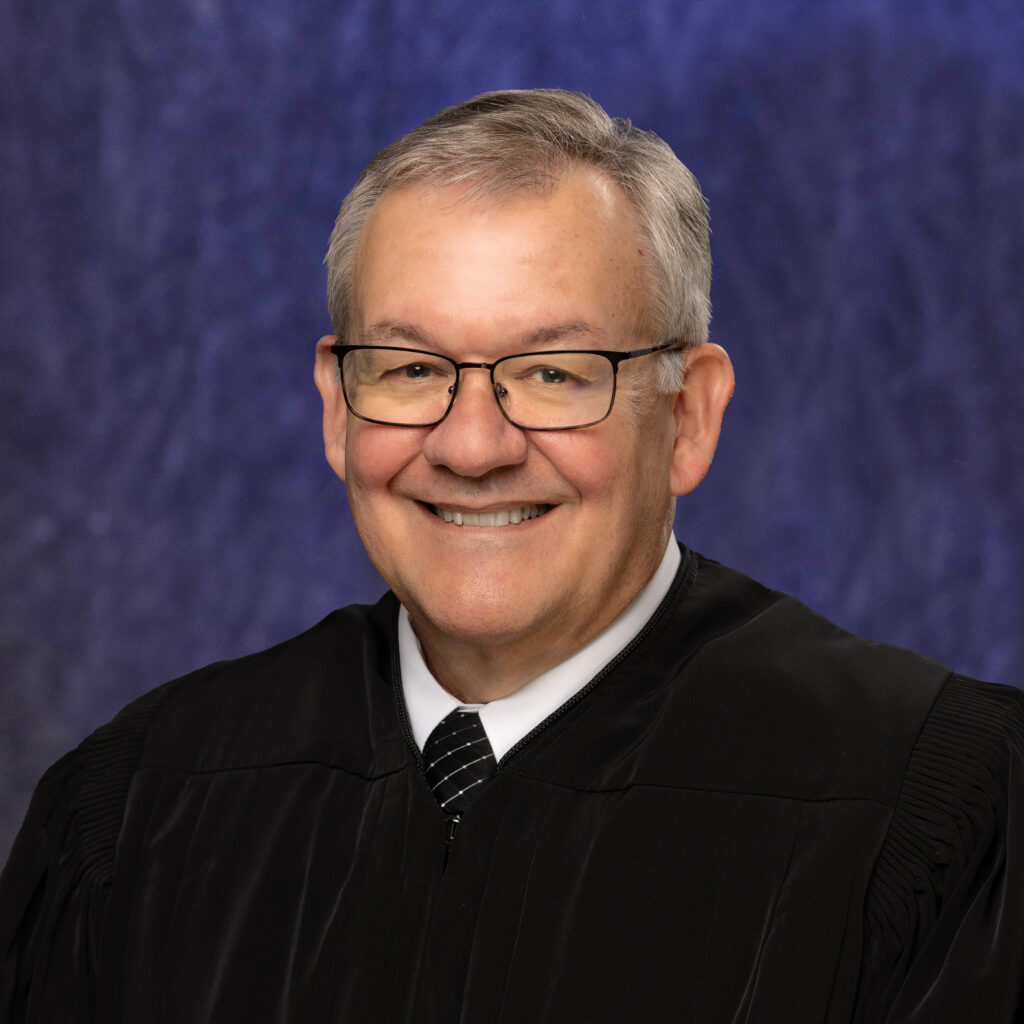
Circuit Court Judge, Seventh Judicial Circuit
Judge McGillan presides over domestic violence injunction cases in St. Johns County, Florida.
Circuit Court Judge, Seventh Judicial Circuit (St. Johns County)
Presides over domestic violence injunction proceedings
Judge McGillan regularly sees Andrew Morgan and C.L. appear before him in injunction court in their professional capacities as family law attorneys representing clients.
On April 26, 2024, Judge McGillan granted the temporary domestic violence injunction petition filed by C.L. and coordinated by Andrew Morgan.
Judge McGillan did not recuse himself from the case despite the ongoing professional relationships with both the petitioner and her coordinating attorney.

Partner, Law Office of Shorstein & Lee, LLC
Sung H. Lee is a partner at the Law Office of Shorstein & Lee, LLC in St. Augustine, Florida. The firm practices in criminal defense and family law.
J.D., Georgia State University College of Law (1995)
Assistant State Attorney, Seventh Judicial Circuit
Partner, Law Office of Shorstein & Lee, LLC (1996-present)
Over 25 years of family law and criminal defense practice
Florida Bar (admitted May 30, 1996)
St. Johns County Bar Association (President, 2000-2001)
Florida Bar Local Affiliate Outreach Committee (2002-2005)
Florida Bar Traffic Court Rules Committee (2006-2009)
Florida Bar Grievance Committee (2006-2009)
Member, Family Law Section, Florida Bar
Member, Criminal Law Section, Florida Bar
Family Law
Criminal Defense
On April 26, 2024, the father went to the Law Office of Shorstein & Lee seeking help to file for protection for his injured four-year-old daughter. The father showed Sung Lee a video of E.L. disclosing "mommy pushed me" and explaining her broken arm injury.
Sung Lee was uninterested in the video of the injured child and refused to help the father obtain protection for his daughter.
Sung Lee was a long time acquainted with the other parties involved.
The following sections present the applicable Florida Bar Rules of Professional Conduct and Florida Code of Judicial Conduct.
"A lawyer shall not bring or defend a proceeding, or assert or controvert an issue therein, unless there is a basis in law and fact for doing so that is not frivolous, which includes a good faith argument for an extension, modification, or reversal of existing law."
A lawyer must not:
"In the course of representing a client a lawyer shall not knowingly:
"In representing a client, a lawyer may not:
A lawyer shall not:
"A judge shall respect and comply with the law and shall act at all times in a manner that promotes public confidence in the integrity and impartiality of the judiciary."
Commentary: Irresponsible or improper conduct by judges erodes public confidence in the judiciary. A judge must avoid all impropriety and appearance of impropriety. The test for appearance of impropriety is whether the conduct would create in reasonable minds, with knowledge of all the relevant circumstances that a reasonable inquiry would disclose, a perception that the judge's ability to carry out judicial responsibilities with integrity, impartiality, and competence is impaired.
Canon 3E(1): "A judge shall disqualify himself or herself in a proceeding in which the judge's impartiality might reasonably be questioned, including but not limited to instances where:
Note: Under this rule, a judge is disqualified whenever the judge's impartiality might reasonably be questioned, regardless of whether any of the specific rules in Section 3E(1) apply.
DISCLAIMER:
This website presents factual information and evidence for informational purposes only. It does not constitute legal advice and does not create an attorney-client relationship. The information on this website is not intended as a solicitation for legal services.
This website does not make legal conclusions about guilt, liability, or violations of law or professional conduct rules. It is the reader's responsibility to draw their own conclusions based on the facts and applicable rules presented.
The Florida Bar is responsible for investigating and adjudicating alleged violations of professional conduct rules. Any questions regarding attorney conduct should be directed to The Florida Bar.
These matters are currently pending legal review. The information presented on this website is provided "as is" without warranties of any kind, either express or implied. Viewers should consult with a licensed attorney regarding any legal matter.
Communication through this website does not create an attorney-client relationship and may not be treated as privileged or confidential.
Public Comments
See what others are saying about whether the father should proceed with his lawsuit.
Loading feedback...